
Free Tier
Free/month
- 20,000 credits
- 0.4hrs
- 2 concurrency
Text-to-speech
Latency on Artificial Analysis
74 ms average time to first audio, first of 21 models (7-day window, read November 19, 2026)
Time to first audio (P50)
Speko TTS benchmark, US East, read November 19, 2026
Leading silence
Our first frame is already audible. Across the Coval board, silence is 25% of TTFA (read November 19, 2026)
Latency spread (P75 − P25)
Tightest of the 5 models tested, over 480 runs (August 31, 2026)
Word error rate
Independent Coval TTS leaderboard, 30-day window, read November 19, 2026
No credit card required
Artificial Analysis averages time to first audio across every request and prompt length. Of the 21 models it measures, Gradium starts speaking first.
Paste one of these prompts into coding agents, it'll install the SDK and open the stream.
Add Gradium streaming text-to-speech to this project.
Read https://docs.gradium.ai/guides/text-to-speech first and follow it over
anything you assume. Use the official Gradium SDK for this codebase's
language. Read the API key from an environment variable, never hardcode it.
Then implement the flow, in this order:
1. Open a tts_realtime session with a voice ID and an output format, as an
async context manager. Do not open a new socket per utterance.
2. Run the sender and the receiver as concurrent tasks. The sender pushes
text as it is produced and calls send_eos when the source is done.
3. In the receiver, play or buffer audio messages as they arrive and stop on
end_of_stream. Do not wait for the full text before starting playback.
4. Split outgoing text on whitespace only. Never split a word across two
send_text calls and never send punctuation on its own, because the server
inserts a space between consecutive messages.
Keep it small: one module, typed, with clear errors when the socket drops
mid-stream, when the voice ID is unknown, or when the key is missing.
Do not add a UI unless I ask for one.
Concurrent send/receive for voice agents and LLM streaming.
Latency stays flat as concurrency climbs, flexible deployment that fits your setup.
Real-time API
Bidirectional WebSocket streaming. Start sending before ready returns; first audio in 50 ms. Telephony formats built in.

Gradium API
wss://api.gradium.ai/
api/speech/s2s
out · pcm 48 kHz
VOICE ENGINE
Predictable & secure
Flat latency under load, enterprise SLAs, zero data retention, ISO 27001 certified.

I’d like to move my appointment.
Of course. Which day works?

I’d like to move my appointment.
Of course. Which day works?
Runs where you need it
Cloud API, dedicated instances, self-hosted, on-prem for data sovereignty, and cloud-provider marketplaces.
Free/month
9$/month
39$/month
299$/month
800$/month
?/month
Every Gradium model speaks every language we support, with the same quality. Regional variations and accents included, with seamless mid-sentence code-switching without latency.
No credit card required
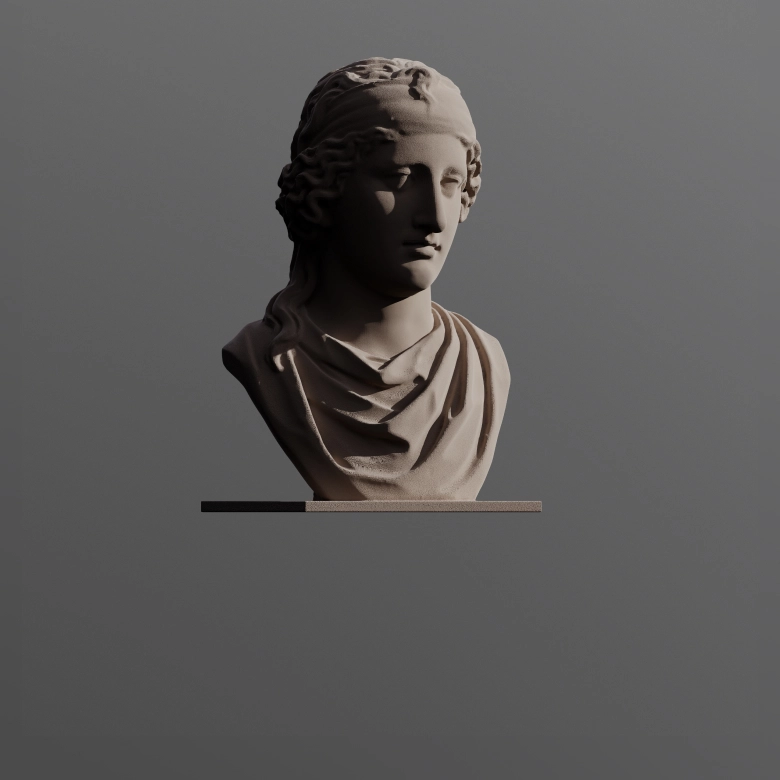
[ 1 ] Aphrodite, Roman copy of a Greek sculpture by Praxiteles. Date: 2nd century. Material: marble. Dimensions: 50 × 34 × 24 cm. Current location: The Usher Gallery, Lincoln. 3D scan: Three D Scans.
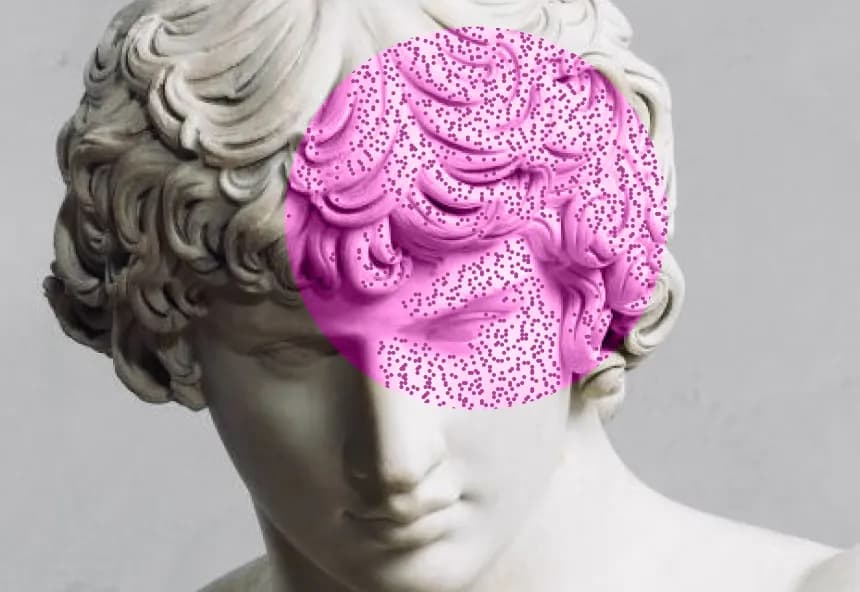
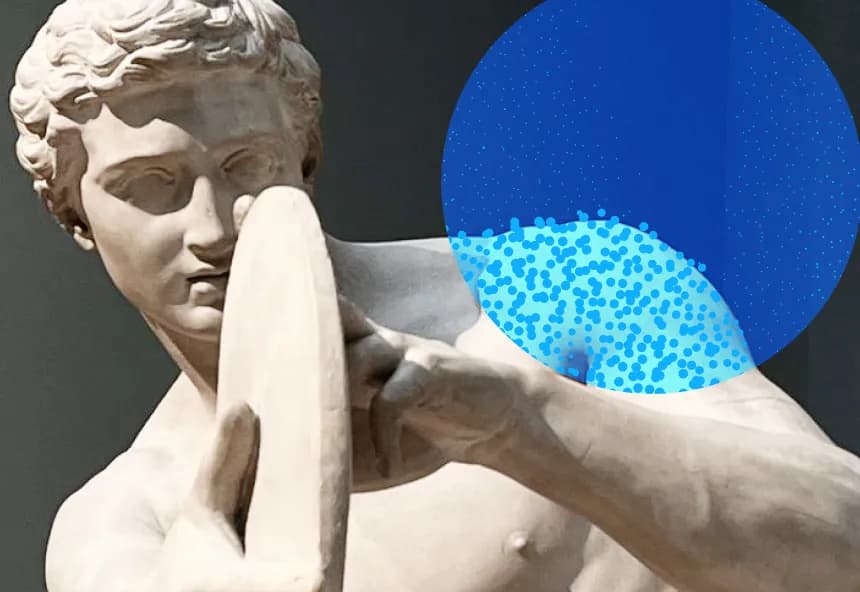
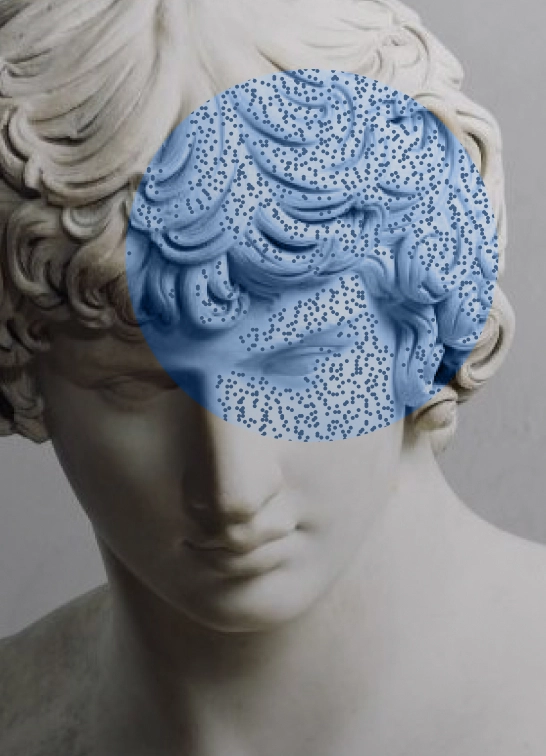
[ 2 ] Antinoüs d’Écouen, after the antique. Date: 1700-1800. Material: marble. Dimensions: h. 84 cm. Held by the Musée du Louvre, Paris (not on display). Inventory number: MR 413. Photo: © Musée du Louvre, Dist. GrandPalaisRmn / Hervé Lewandowski.