Gradium API
Voice AI APIfor every part of speech
A few lines of code, and it speaks. Set your API key, pick your language and run it.
# pip install gradium
import asyncio
import gradium

async def main():
    client = gradium.client.GradiumClient()  # reads GRADIUM_API_KEY

    stream = await client.tts_stream(
        setup={
            "voice_id": "Bla6SbVMczYnOhfK",
            "output_format": "pcm",
        },
        text="Hello! This voice started speaking in 50 milliseconds.",
    )

    # 48 kHz 16-bit mono PCM, written as each chunk arrives.
    with open("hello.pcm", "wb") as f:
        async for chunk in stream.iter_bytes():
            f.write(chunk)

asyncio.run(main())Free tier, no credit card required.
One key
for all models
Every model draws on the same credits, so you can start with one and add the others with the key you already have.
 [ 1 ]
Speech to text
Stream audio in, get text back, with semantic VAD and keyword boosting to tune turn-taking.
 [ 2 ]
Voice cloning
Clone a voice from a 10-second sample, then use it in any request like a library voice.
 [ 3 ]
Voice design
Describe a voice in a sentence, audition the candidates and keep the one you want.
 [ 4 ]
Live translation
Speech in, translated speech out: transcribed, translated and re-synthesized in real time.

Pronunciation
Set pronunciation dictionaries and rewrite rules per request, for names, numbers and emails.
APIs built for production
Trusted by teams shipping voice at scale. You choose where your data lives and whether we keep it, and independent auditors check how we protect it.
Health data hosting
Host your organization under HDS, the French certification for health data.
HDS hosting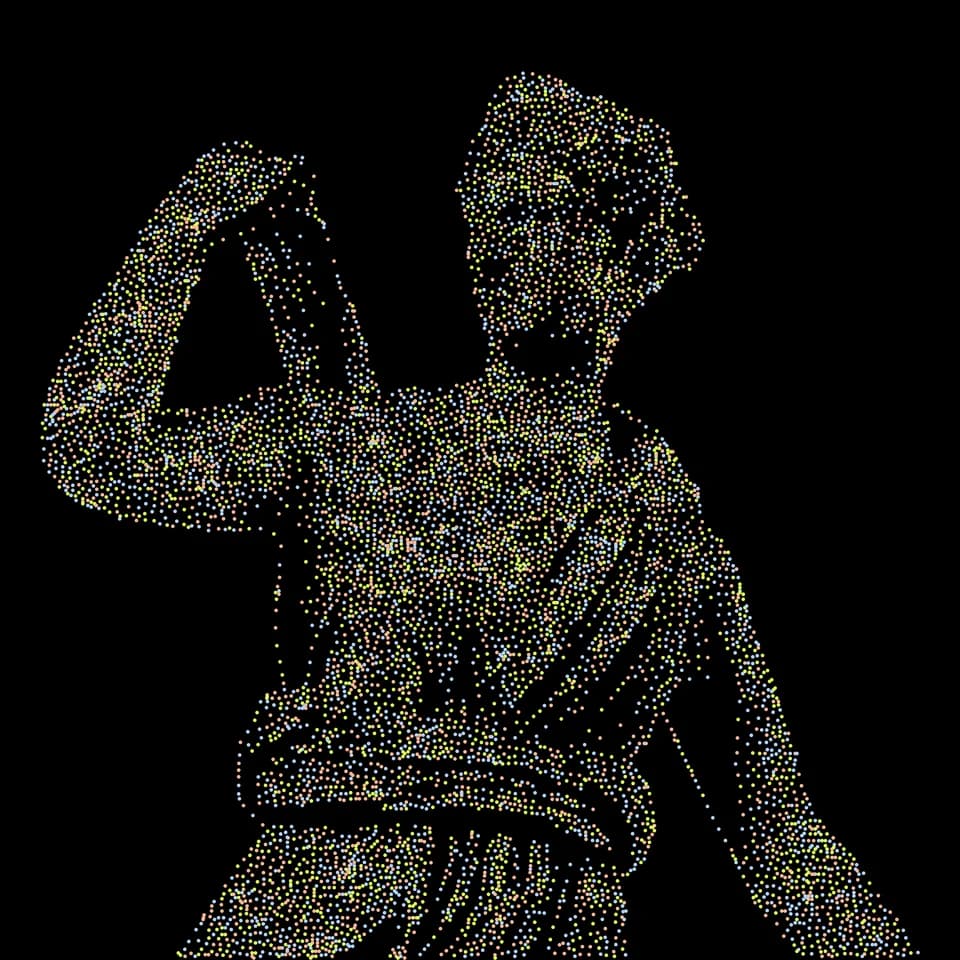
Zero data retention
Stop the request and response payloads of your speech sessions from being retained.
Zero data retentionSOC 2 Type II, ISO 27001
An independently audited platform, with the reports in our trust center.
Trust centerQuestions ?We’re here to help
Startbuilding
No credit card required

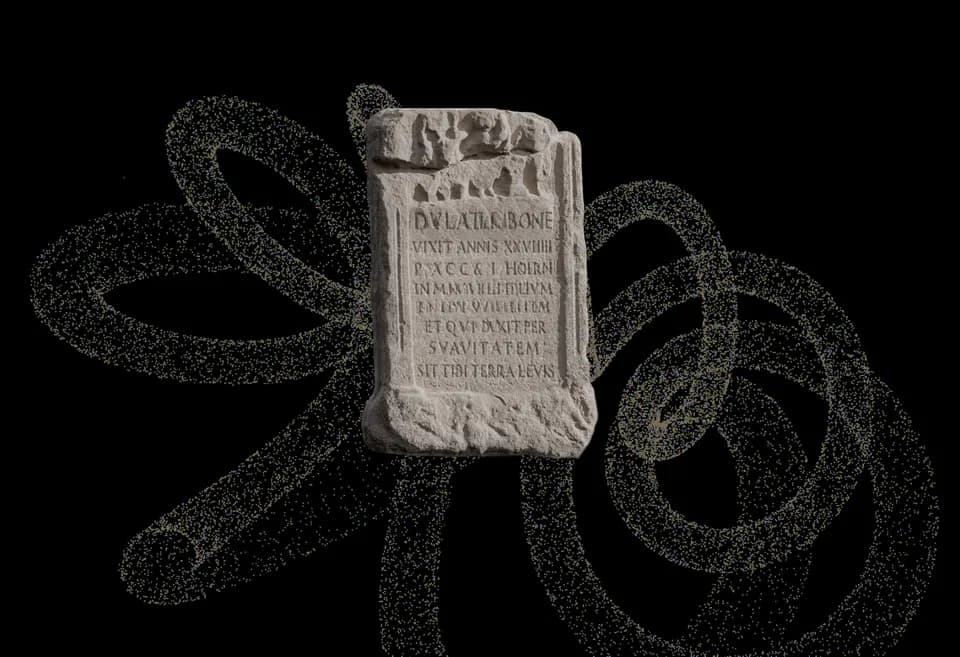
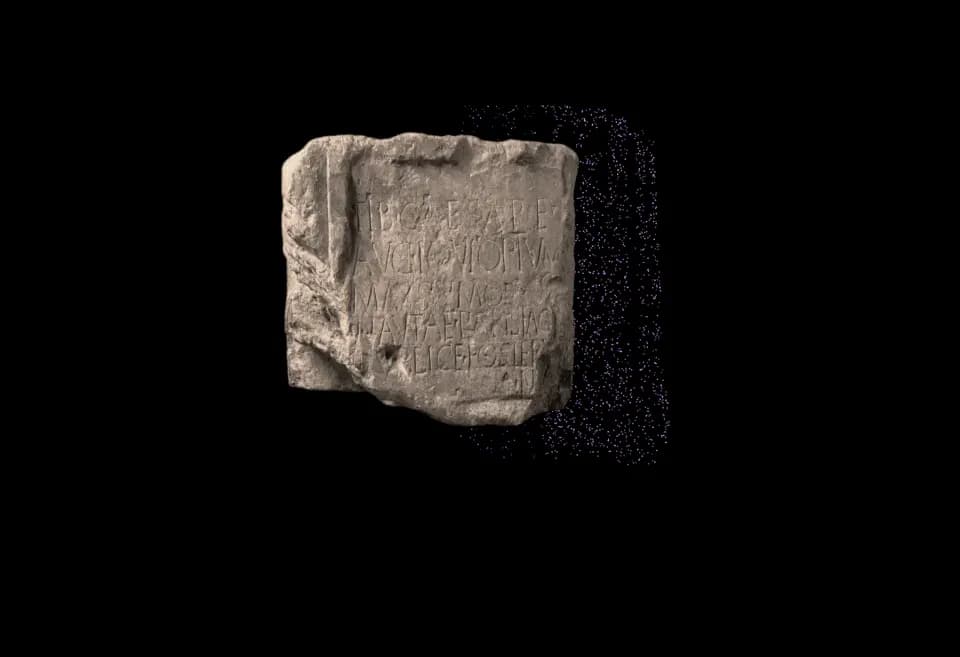
[ 1 ] Inscribed funerary stone. Roman-style epitaph, carved in capitals, recording a life of 29 years (VIXIT ANNIS XXVIIII) and closing with the formula SIT TIBI TERRA LEVIS. Holding institution not yet identified.
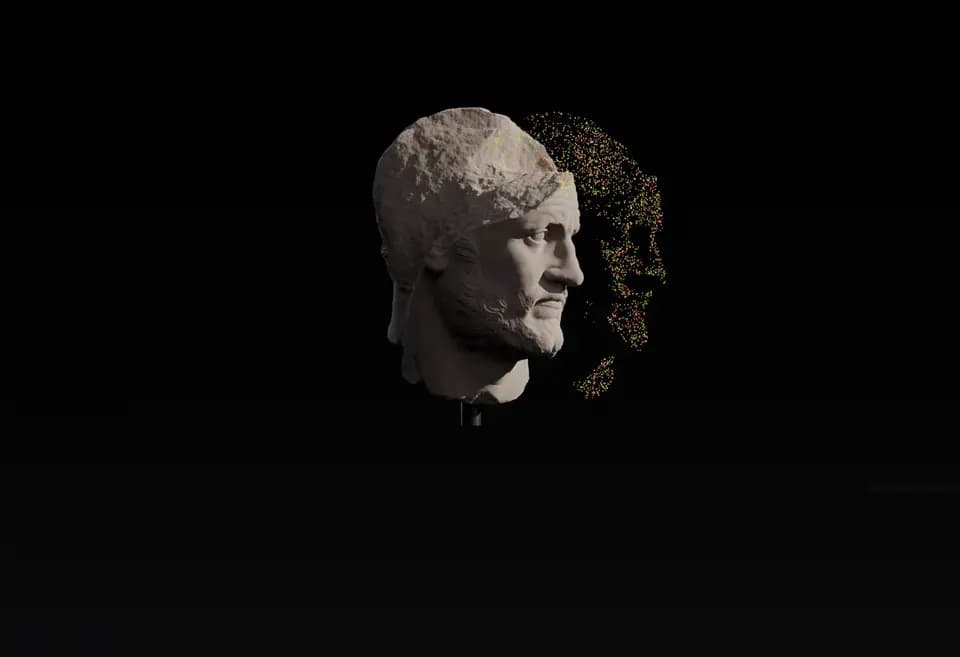
[ 2 ] Portrait of a Bearded Man. Artist: unknown. Date: about 150 BC. Place made: Pergamon, Asia Minor. Material: marble. Dimensions: 40.7 × 25 × 31.7 cm. Current location: J. Paul Getty Museum, Getty Villa, Los Angeles. Inventory number: 91.AA.14.
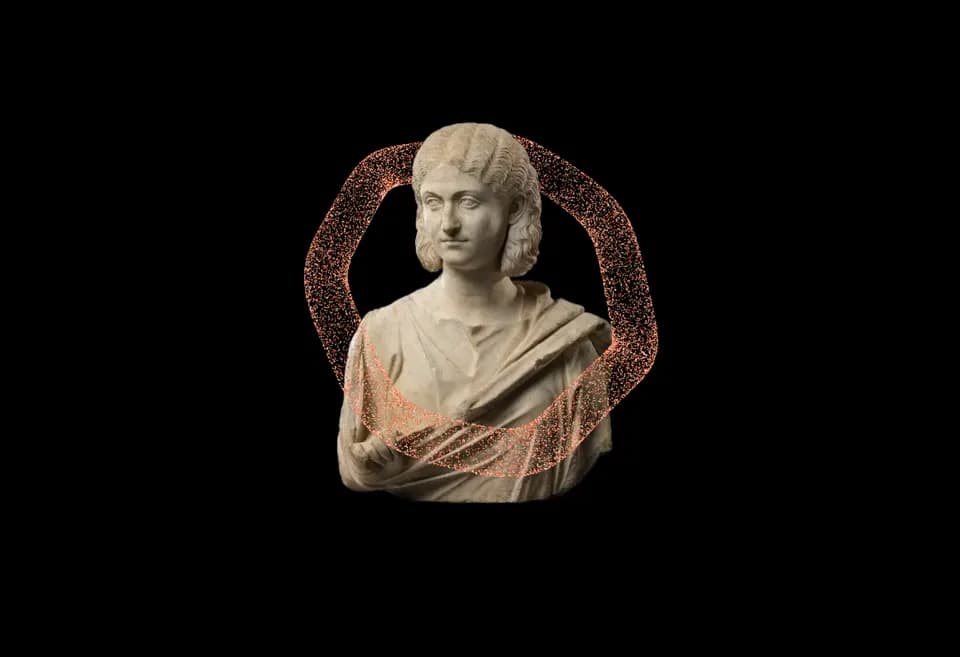
[ 3 ] Marble bust of a woman, Roman, Late Imperial. Date: mid-3rd century CE. Material: marble. Dimensions: h. 65.1 cm. Current location: The Met Fifth Avenue, Gallery 169, New York. Inventory number: 18.145.39. Credit: Rogers Fund, 1918.
[ 4 ] Pillar of the Boatmen (Pilier des Nautes), dedication block. Gallo-Roman, dedicated by the nautae Parisiaci under Tiberius. Date: between 14 and 37 CE. Material: stone. Dimensions: h. 47 cm, w. 75 cm, d. 74 cm. Current location: Musée de Cluny – musée national du Moyen Âge, Paris. Inventory number: Cl. 18603. Credit: gift of the City of Paris, 1844.
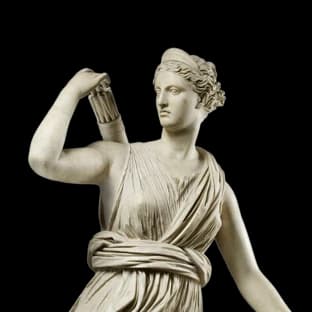
[ 5 ] Diane de Versailles. Artist: unknown; Roman imperial copy after a Greek original attributed to Leochares, 3rd quarter of the 4th century BC. Date: 125-150 AD, possibly Hadrianic. Material: marble. Dimensions: h. 200 cm, w. 139 cm, d. 103 cm. Current location: Musée du Louvre, Aile Sully, Salle 348, Paris. Inventory number: MR 152; N 1157; Ma 589.